From First Lap to Full Championship
DRS helps clients design, launch, operate, and grow sim racing programs that are easy to understand and credible to participate in.
Operating Model
Discovery
Define the organization, participants, space, goals, budget range, launch timeline, and long-term vision.
Program Design
Choose the format: school club, fan league, club championship, esports expansion, private league, or corporate program.
Equipment Plan
Recommend simulator count, hardware level, displays, seating, networking, power, storage, and user flow.
Sporting Structure
Build rules, points, qualifying, conduct standards, incident review, team formats, and championship calendars.
Launch
Run orientation, test night, time trial, hosted launch event, or first competition round.
Ongoing Support
Refine formats, manage race nights, update leaderboards, train staff, and support growth.
Ten Building Blocks
Every program is assembled from the same ten components. Their depth, scale, and emphasis change with the audience - schools weight onboarding and clubs weight calendar, sponsors weight positioning - but the structure stays consistent.
Strategy & Program Design
Define the program's purpose - participation, competition, team building, driver development, school engagement, member programming, fan engagement, sponsor activation, community building, or content - then build the format around that purpose.
Equipment & Space Planning
Determine the right number of simulators, hardware level, display setup, space layout, power requirements, networking needs, seating, storage, and user flow.
Platform & Content Selection
Select the right sim platform, cars, tracks, session settings, and progression structure based on the audience and program goals.
Rules & Sporting Structure
Create the rulebook, race procedures, incident review process, points format, driver conduct rules, qualifying structure, team structure, and championship format.
Participant Onboarding
Help new drivers understand equipment, controls, racecraft basics, etiquette, practice expectations, and how to participate confidently.
Coaching & Development
Coaching structure for drivers who want to improve - racing line, braking technique, consistency, traffic management, race starts, passing etiquette, and endurance strategy.
Event Operations
Race nights, time trial events, endurance relays, clinics, private events, championship rounds, or launch events with professional staffing and flow management.
Leaderboards & Scoring
Leaderboard, points, scoring, and results formats that make the program easy to follow.
Sponsor & Stakeholder Integration
Sponsor placement, branded events, prize challenges, team naming, broadcast mentions, hospitality tie-ins, and partner engagement.
Ongoing Program Support
Consulting, program updates, event support, operations refinement, format changes, and future growth planning.
What DRS Provides
A full menu of program-development capabilities - from strategy through ongoing operations - that can be sequenced into a launch consult, a turnkey buildout, or a long-term operating partnership.
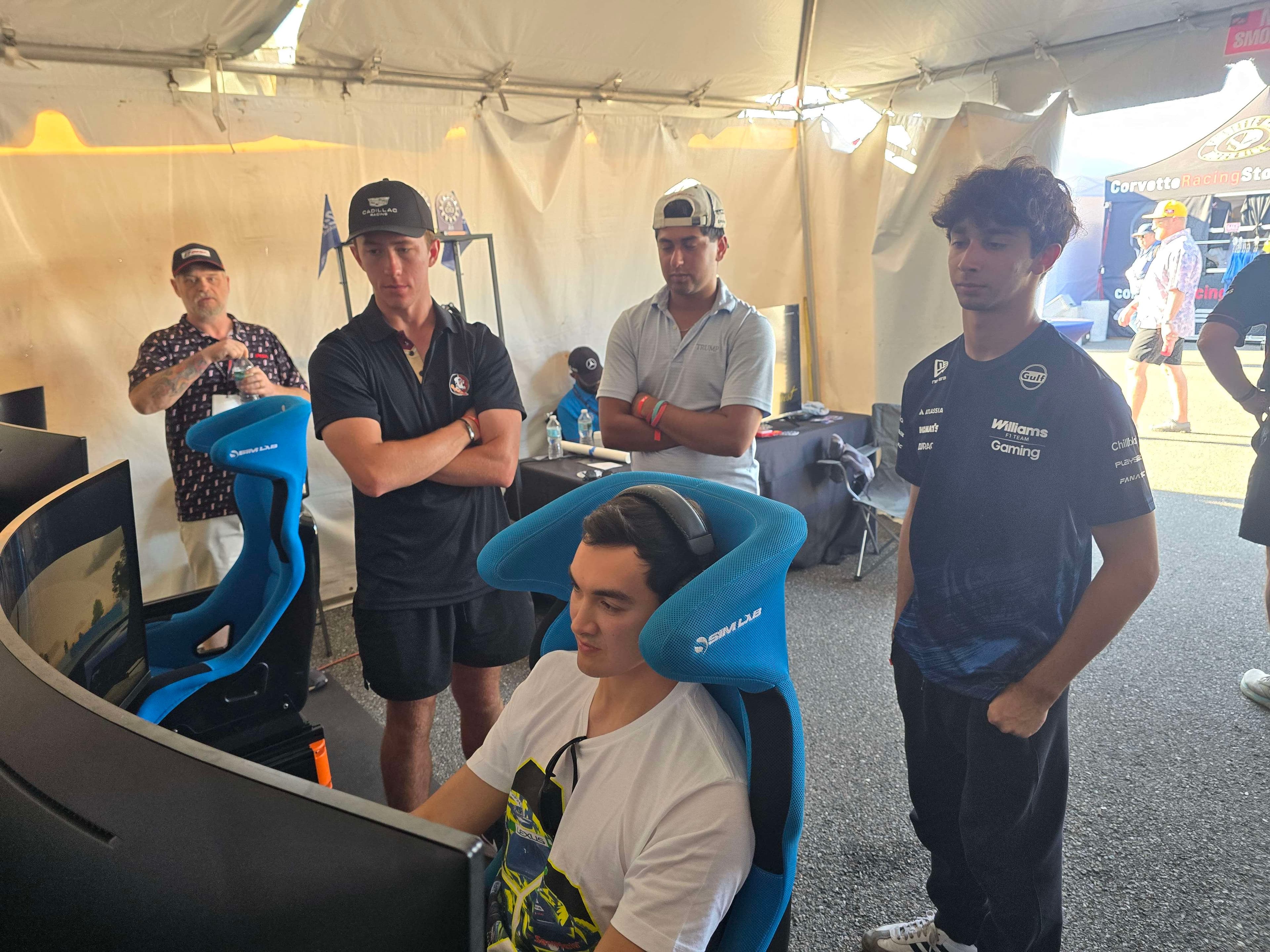
Onboarding & Coaching
A good program gives new drivers confidence without flattening the experience for advanced competitors. DRS defines orientation, practice expectations, etiquette, racing line, braking, passing standards, race starts, traffic management, and endurance strategy.
Proposal Structure
When DRS produces a written proposal, it covers ten sections - so stakeholders can see the program, equipment, competition format, launch plan, operations, investment, and growth path in one place.
- 01
Program Overview
Define the organization, target participants, goals, available space, desired launch date, and long-term vision.
- 02
Program Objective
Pick the why: launch a school club, build a race team fan league, add sim racing to an esports org, create member programming, build a recurring private league, establish a sponsor-backed championship, or add a driver development pathway.
- 03
Recommended Program Format
Program type, simulator count, hardware level, platform choice, race format, schedule, ruleset, onboarding plan, coaching structure, and leaderboard / scoring system.
- 04
Equipment & Facility Plan
Simulator hardware, PC / console needs, displays, seating / chassis, space layout, power, network, storage, and staff access.
- 05
Competition Structure
Event format, qualifying, race length, points system, team format, endurance relay rules, incident review process, driver conduct rules, and championship calendar.
- 06
Launch Plan
Announcement, registration, orientation session, test night, launch event, first competition round, and post-launch review.
- 07
Operations Plan
Who runs sessions, manages sign-ups, handles rules, scores results, maintains equipment, communicates with participants, and handles disputes.
- 08
Investment
Consulting fees, equipment budget, launch event cost, ongoing management cost, travel / logistics, staffing, and optional add-ons.
- 09
Growth Path
More simulators, more participants, multiple divisions, inter-school or inter-club competition, sponsor integration, broadcast production, coaching packages, endurance events, and multi-location competitions.
- 10
Next Steps
Confirm goals, participant base, available space, budget range. Select program format. Build launch timeline. Finalize proposal and agreement.
Common Questions
01Can't we just buy simulators ourselves?
+
Can't we just buy simulators ourselves?
Yes, but buying simulators does not create a program. The harder part is building the rules, schedule, onboarding, event flow, scoring, coaching, participation strategy, and operating model that keeps people engaged.
02We don't know if enough people will participate.
+
We don't know if enough people will participate.
That's why a launch event, time trial challenge, or short pilot season can be useful. It lets the organization test interest before committing to a larger program.
03Our group has beginners.
+
Our group has beginners.
That's normal. A good program includes onboarding, beginner-friendly formats, and coaching so new participants can join without feeling overwhelmed.
04Our group has very experienced drivers.
+
Our group has very experienced drivers.
The program can be structured for advanced competition with stricter rules, longer races, stewarding, endurance formats, team strategy, and higher skill expectations.
05We don't have much space.
+
We don't have much space.
The program can start with one or two simulators and grow over time. The correct format depends on space, throughput, and goals.
06We don't have staff who understand sim racing.
+
We don't have staff who understand sim racing.
DRS can create the operating model, train staff, run launch events, or provide ongoing support depending on the client's needs.
07Is this only for serious racers?
+
Is this only for serious racers?
No. Programs can be casual, competitive, developmental, or sponsor-focused. The structure should match the audience.
08Can this become a real recurring program?
+
Can this become a real recurring program?
Yes. With the right schedule, rules, scoring, and participant experience, sim racing becomes a recurring club, league, team, or community program.
Need the Whole Program Built Out?
DRS can support launch consulting, turnkey buildout, hosted launch events, recurring race nights, endurance relays, and sponsor-ready program packages.